More Adventuresome
Wines
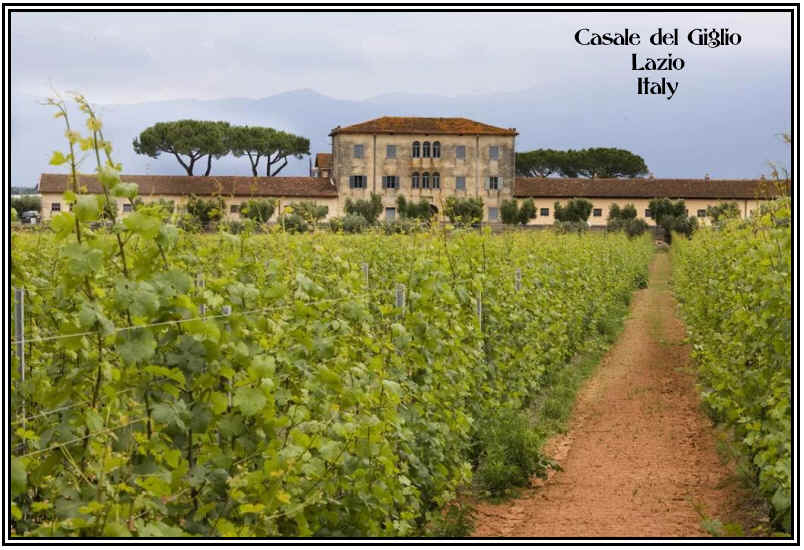

CASALE DEL GIGLIO 2022 CESANESE Lazio Rosso IGT
$22.99
The Cesanese grape can make delightful wine, but we don't see it too
frequently around here.
Maybe that's because the Italians consume most of it in and around Rome, as it's
a variety typically found in Lazio.
The variety tends to produce a modest quantity of grapes and it's a
late-ripening variety.
Here in California UC Davis has it listed as having provisional status, so it's
not (yet) a vine that growers can purchase.
The Casale del Giglio winery is located about 30 miles south of Rome and it was
founded in the late 1960s.
It's a company that is entrenched in viticultural research and they are working
to explore varieties from various places, not solely those grown in their
backyard (like Cesanese).
As a result they make wine of the Spanish grape Tempranillo and the southwest
French grape of Petit Manseng, a couple of fish out of water, for sure.
We've had a number of vintages of Casale del Giglio's Cesanese. We liken
it more to Pinot Noir than Cabernet, for example.
There's typically a cherryish note, but not really reminiscent of Pinot Noir.
Medium bodied, it's got a hint of tannin and decent acidity.
We find it well worth putting on the dinner table...it might become your new
favorite red.
And it's affordable.


-
ERMES
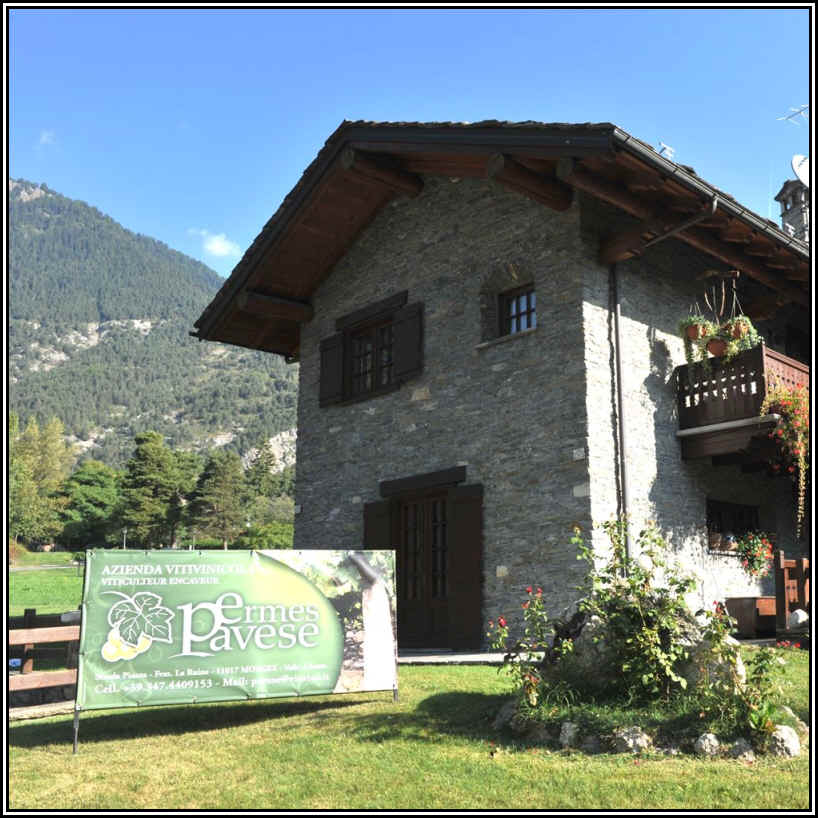
PAVESE 2023 "BLANC DE MORGEX" $36.99
- Pavese
founded his little winery in 1999, so unlike so many wineries in Italy
that have hundreds of years of history, this guy's goes back just in the
last century.
The vineyards are high elevation, as high at 1200 meters! The grape
of the area is a white variety called Prié Blanc and this grows in the
shadows of Monte Bianco (Mont Blanc if you're on the French side of the
hill).
The vines are quite old and they're planted on their own roots...and they
trained them fairly low to the ground because ages ago they were often
picked by little people: the children of growers were often enlisted
to pick the grapes during the harvest, so the vines, trained in a pergola
style of cultivation, were kept low to the ground.
Of course, the other benefit of this is what modest level of heat retained
by the rocky soils would keep a bit of warmth for the vines in the night.
Pavese vinifies this wine in stainless steel and it nicely retains a
minerality we find quite enchanting. It's bone dry, low in alcohol
(typically around 12.5%) and nicely crisp.
You can serve this as an aperitif, but we've also enjoyed it with light
seafood dishes (got clams?)...
It's a wonderful wine and one your friends are not likely to know since denominazione
of Blanc de Morgex as there are but 30, or so, hectares of vineyards in
this region. Pavese owns two of them.
The vineyards of Pavese and other growers in the Valle d'Aoste
are more like gardens than classic vineyards.

-
-

-
DOMITIA PICPOUL DE
PINET $15.99
- .
In the local French dialect, Picpoul translates to "lip stinger."
The wine tends to be light in body, modest in terms of alcohol level and
reasonably crisp, hence the 'lip stinger' designation.
Close by to the vineyards, you'll find the Bassin de Thau, a marine area
where there's quite an oyster farming production. And, happily, this
wine pairs beautifully with oysters, clams, mussels, crab, shrimp and many
white fish dishes...
No oak. Dry. Crisp. Light.
-
Some California winemakers are producing what might be
called "knock-offs" of this French wine. We tasted a few
while visiting various wineries in the Paso Robles region. We did not
find a single one as light and crisp as the French versions, for one thing.
For another, the French Picpoul bottlings tend to be less than $18 on
average, while the California bottlings routinely went for $29/bottle.
-
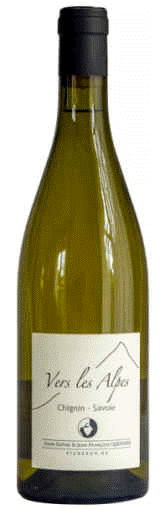
JEAN-FRANCOIS QUÉNARD 2023 CHIGNIN $20.99
- This
is a remarkably good wine made from a grape known in the French Alps as
Jacquère.
The Quénard family has been making wine in the village of Chignin for
several decades and theirs is a top example of the variety and, thanks to
an honest importer, it arrives here at an attractive price.
Our friend Lettie Teague, who writes wine articles for The Wall Street
Journal, sent a note saying she thinks wines from France's Savoie
region are going to be the "next big thing."
-
We asked her where she's been the past decade? We've
had a number of seriously good wines from the Savoie and the quality/price
rapport is exceptional.
This wine comes from vines averaging about 40 years of
age. Chalky/clay soils in mountainous vineyard sites...the wine is done in
stainless steel and then left on the lees for a brief period before
bottling. It's not terribly high in alcohol (another feature we find
refreshing!) and there's a mildly minerally note with a touch of a hazelnut
quality.
It's a nice aperitif wine, but really shines when paired with
seafood. Dungeness Crab is a great partner, but so are Sea Scallops,
prawns or white fish filets. A bottle served with some Rex Sole was really
enjoyable, too.
The importer has a good description for this: "The
Muscadet of the Mountains."
That nails it concisely.


-
ALTA MORA ETNA BIANCO $39.99
- This
is one of our favorite white wines in the shop.
It's made of a grape called Carricante that's particular to northeast
Sicily and the environs of Mount Etna.
The wine comes from the Cusumano family who are headquartered on the
western side of the island.
They make both a red and white and the red, to this point, is nothing to
write home about.
This white, on the other hand, is remarkable. This comes from three
vineyard sites and the vines are maturing nicely, but not especially
old. Maybe 15 years of age on average. Hand-harvested.
No fancy winemaking apart from leaving the wine on the spent yeast for
about 4 months and then it's bottled.
You'll likely find notes reminiscent of spiced peaches and you can almost sense the
volcanic terroir on the nose and palate.
We've often had a bottle open in our tasting room and it gets a nearly
unanimous approval rating from tasters.
If you're a fan of crisp, snappy Loire Valley Sauvignons such as those
from Sancerre, this is worth trying.
We love it.

-
-
-
-


